
Dental Care
Healthy mouth, happier pet.
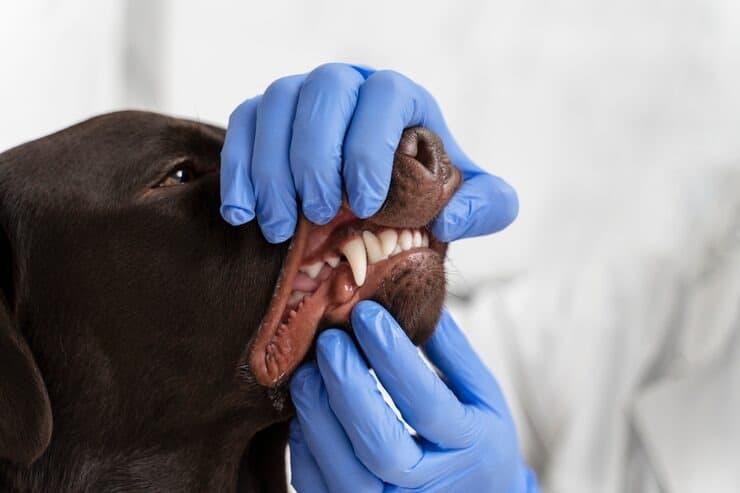
Dental disease affects most pets by the age of three, yet it is often overlooked. Bad breath, red gums, or difficulty chewing are warning signs that require attention.
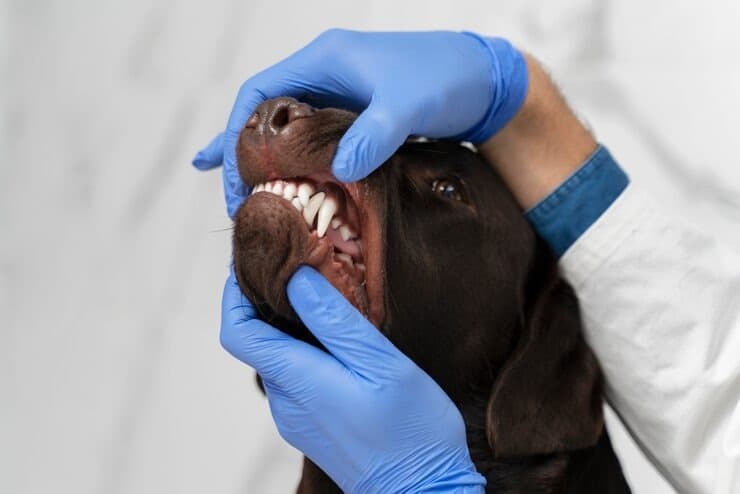
Untreated dental issues cause pain, affect eating, and can impact the heart, liver, and kidneys over time. Pets rarely show obvious discomfort, so regular checks are essential.
Our services include oral exams during wellness visits, full dental procedures under anaesthesia, ultrasonic scaling and polishing, dental X-rays, and extractions when necessary.
We also guide pet owners on at-home care through brushing, dental diets, chews, and water additives to maintain oral health between professional cleanings.
Why choose us for dental care
Ultrasonic scaling and polishing
Removes tartar and plaque above and below the gumline, followed by polishing to slow re-accumulation.
Dental X-rays
Reveal hidden issues such as root infections, fractures, or bone loss that cannot be seen visually.
Surgical extractions
Careful removal of diseased or fractured teeth under anaesthesia with full pain management.
Gum disease grading
We assess periodontal health and explain what treatment or follow-up is needed for each pet.
Safe anaesthesia protocols
We monitor your pet closely during dental procedures to ensure safety and comfort, just like during surgery.
At-home care coaching
Learn brushing techniques, diet recommendations, and dental chews to maintain oral health between visits.
What's included
Every dental care appointment at The Animal Doctor Vet Clinic includes the following as standard.
Pricing: Dental cleanings for cats and dogs include anaesthesia, scaling, polishing, and X-rays. Extractions are priced per tooth and discussed with you beforehand.
- Oral health assessment
- Full anaesthesia with monitoring
- Ultrasonic scaling above and below the gumline
- Tooth polishing
- Full-mouth dental X-rays
- Periodontal disease grading
- Tooth extractions if needed
- Post-procedure pain management
- Dental care home kit and instructions
- Follow-up check included
How it works
Oral assessment
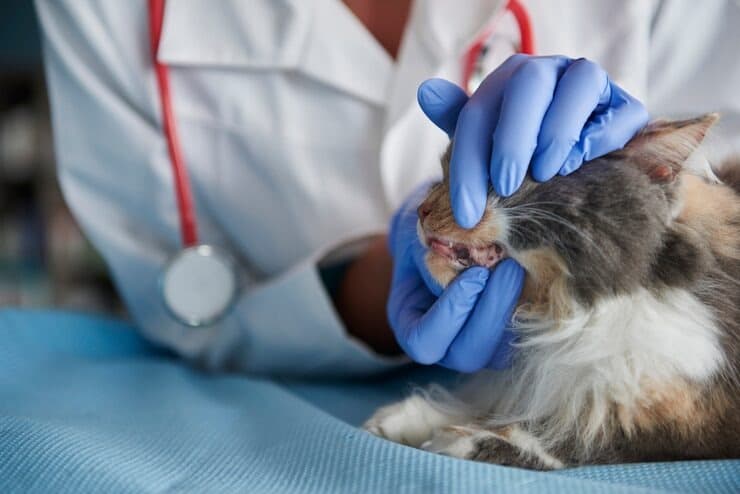
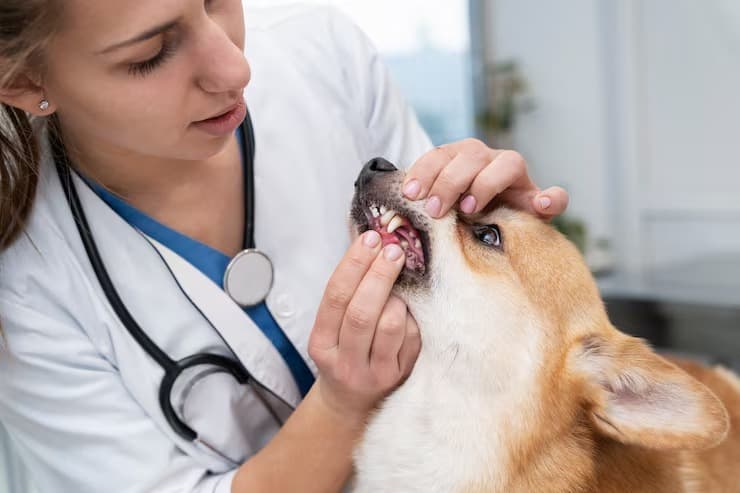
We check your pet's mouth during a wellness visit and determine if a dental procedure is required.
Pre-dental blood work
We perform blood tests to confirm your pet is fit for anaesthesia on the procedure day.
Dental procedure
Under anaesthesia, we perform X-rays, scaling, polishing, and extractions if necessary, with full monitoring throughout.
Recovery and home care plan
Your pet goes home the same day with pain medications, dietary instructions, and a tailored home dental care plan.
Frequently asked questions
Why is anaesthesia needed for dental cleaning?
Is bad breath normal in pets?
How often should my pet get a dental cleaning?
Can I brush my cat's teeth?
Will my pet feel pain after extractions?
Ready to book?
Schedule an appointment online or reach out on WhatsApp and we'll get back to you within 2 hours.